
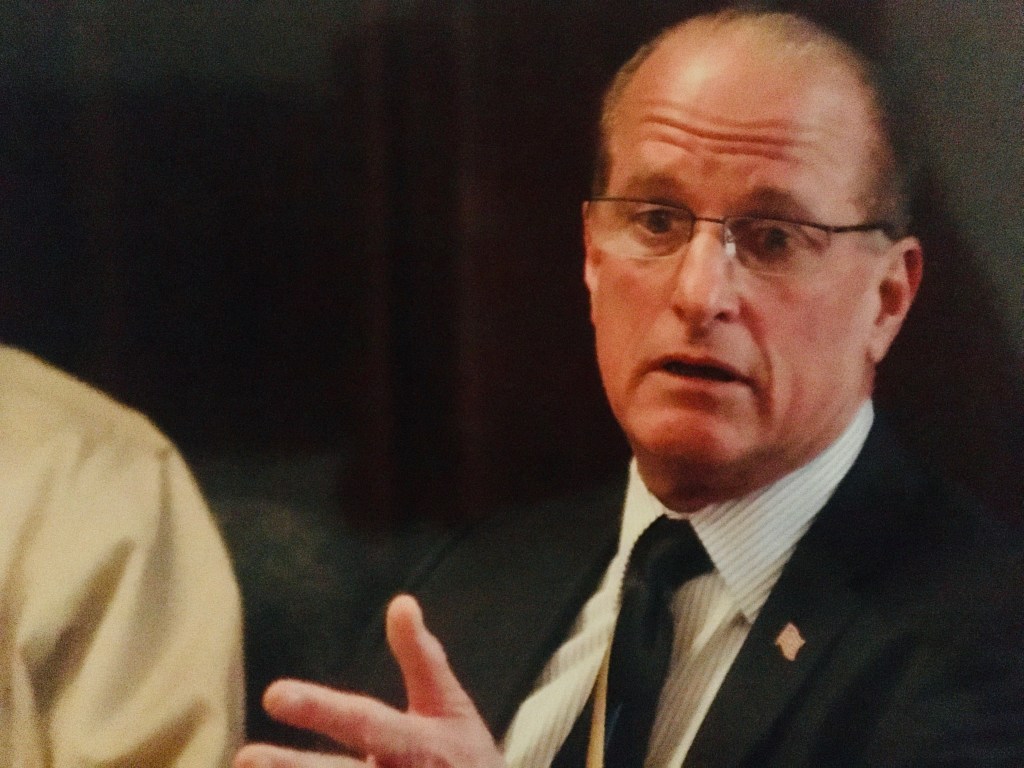
In the year 2012, Joseph L. Vilella, took the necessary steps to start the patent application process of the Mutually Secure Optical Data Network and Method on behalf of SPADA Innovations, Inc. Vilella is quick to point out that the company has many people to thank across the multi-year process leading to its Patents allowance. Vilella’s technical and innovations background as well as his previous patent allowance experience is what led to the foundation, application and successful prosecution of the Original Patent # 10904649 (2021) as well as follow-on Patents # 11070898 (2021), # 11589142 (2023) and #11968483 (2024) . A fifth and final Patent is under examination. The following is a summary of Vilella’s technical, innovations background, and patent prosecution involvement.
Vilella started his Aerospace and Defense career in 1980 as an Inflight Safety Systems design engineer for the MX Intercontinental Ballistic Missile System at Martin Marietta Aerospace in Denver, Colorado.
In the fall of 1983 he accepted a position at General Dynamics Convair in San Diego, California to work in one of the nation’s highest priority nuclear weapon systems, the Stealth Cruise Missile.
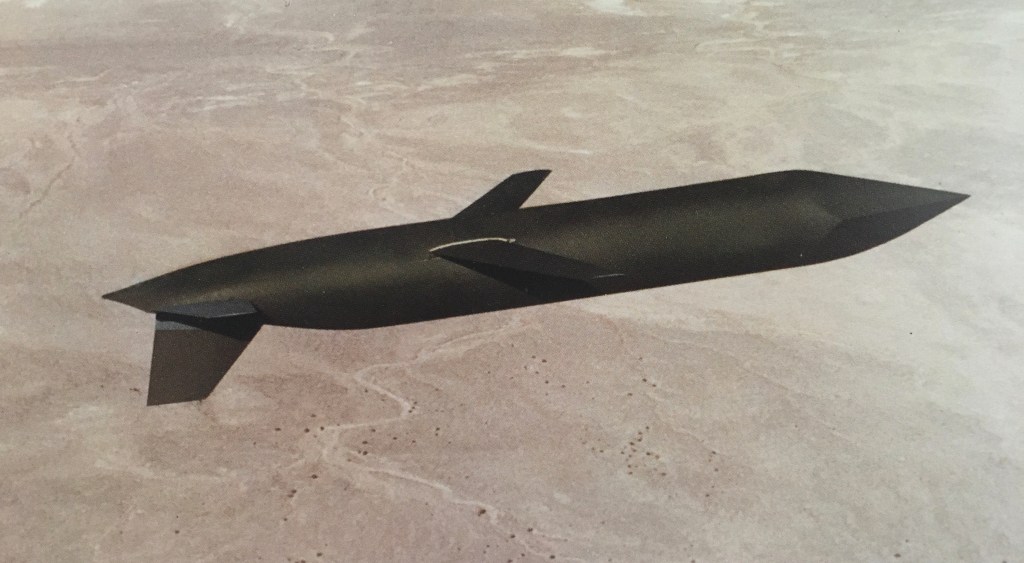
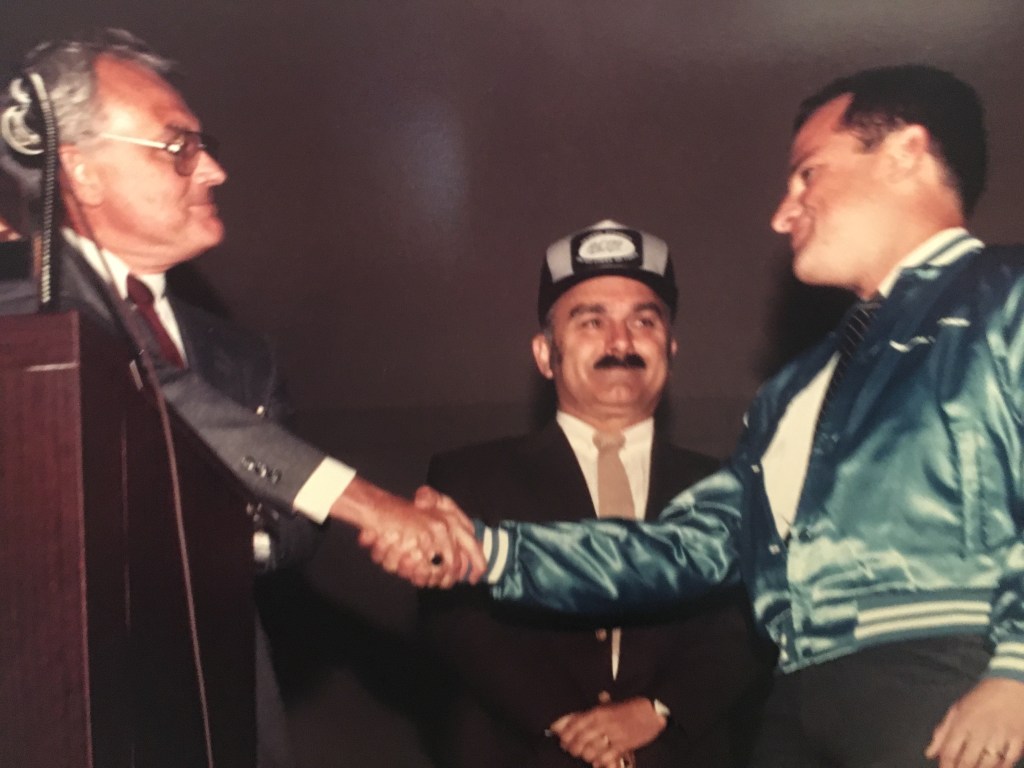
As a result of his successful engineering leadership in the urgent design, development and construction of the Missile in the loop Flight Simulator, Vilella, at the age of 33, became the Principal Engineer responsible for the Avionics Design Verification Testing and Systems Integration as well as the Missile in the Loop Flight Simulations.
Concurrent with the accomplishment of his program level responsibilities, Vilella was approached by Eagle Security Systems of Miami, Florida to develop a non-imaging proof of concept that could ultimately be used to fill some specialized biometric scanning requirements of the Central Intelligence Agency. To meet this challenge, with a handpicked team of high tech engineers, he successfully developed a laser based fingerprint identification concept. The proof of concept for this system was successfully implemented in 1986, having tested its accuracy to be 95% effective.
In 1989, Vilella conceptualized and led the creation of the Flight Simulations Advanced Data Display System.
This was the first real-time Personal Computer (PC) based graphics and data display system and became a game changer for the US Defense establishment and the genesis of today’s remotely piloted vehicles.
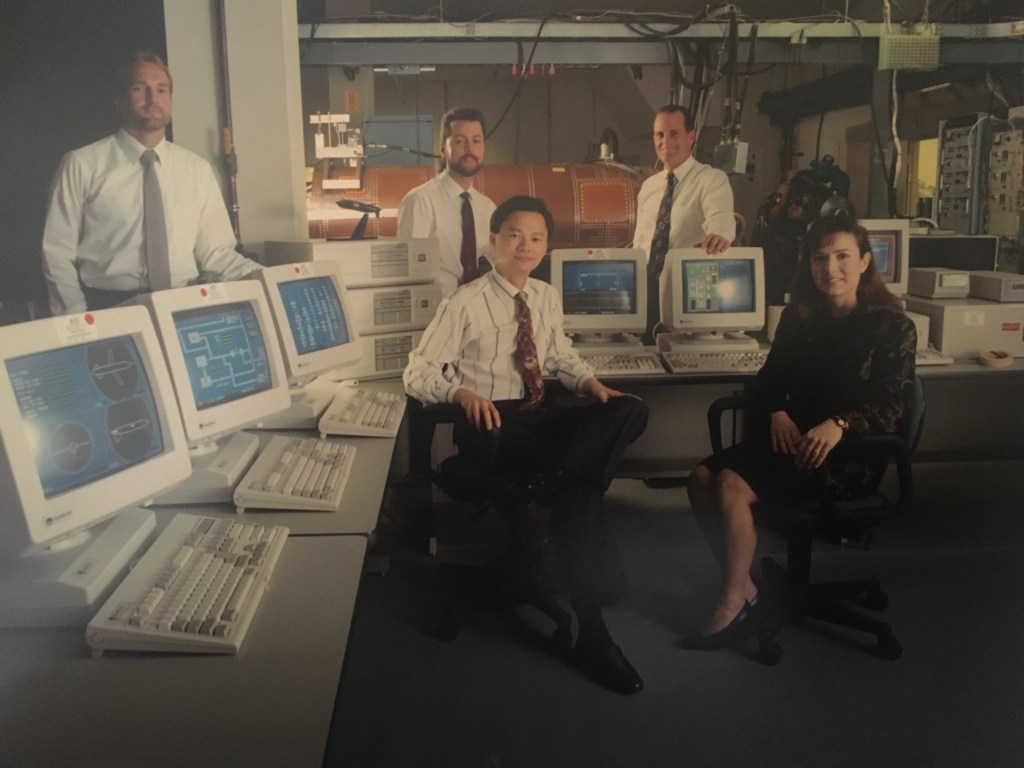
In 1992, Vilella left General Dynamics to perform specialized engineering design work in the commercial sector. In 1994, he formed the California Corporation JV&A and later renamed it Vectron. His company was focussed on the design, development, manufacturing, and Patent application of his third innovation. This was the first Parametric Digital Color Automated PC Boards Inspection System to be utilized in the electronics Surface Mount Technology (SMT) assembly lines.


This breakthrough SMT Automated Optical Inspection (AOI) system won two out of the top three SMT Awards in the United States in 2003 and was highly publicized in the US and abroad. Its Patent was successfully allowed in 2004.
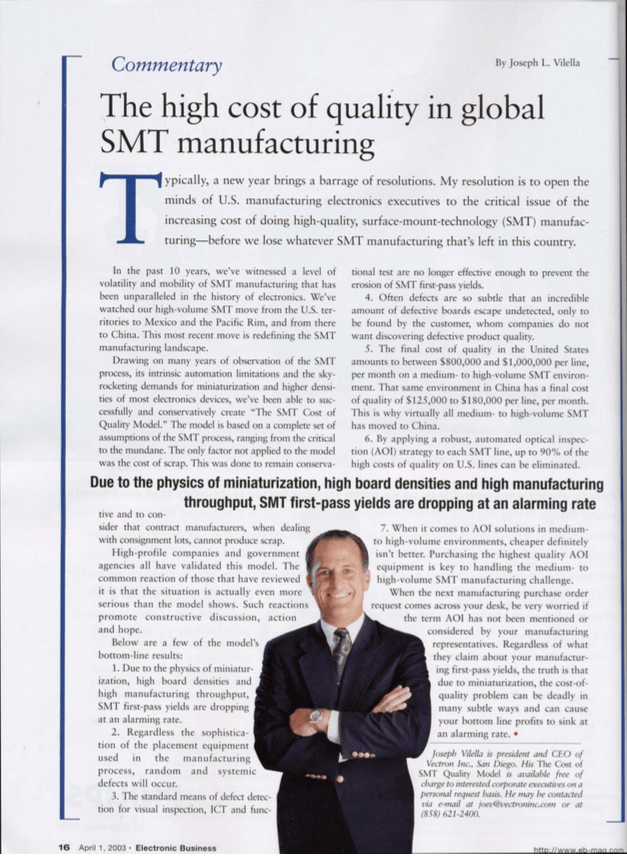
In the year 2003 Vilella also developed the highly publicized SMT Cost of Quality Model. This tool allowed electronics manufacturers to accurately predict the yields of their SMT lines. Vilella provided this model free of charge to over 150 electronics companies and Universities around the world.
Vilella was globally recognized for these accomplishments and became Director of Automated Technologies of the Institute of Printed Circuits and SMT advisor to the Ministry of Electronics of the Peoples Republic of China.
In 2005 Vilella left the world of manufacturing electronics to join Science Applications International Corporation (SAIC) where he worked for five years.
In 2010 he founded SPADA Innovations, Inc. (SPADA) and became a PON strategic partner of SAIC. In 2012 Vilella and his SPADA team saw the opportunity of innovating further by conceptualizing and proving that IP based virtual information separation using Virtual Routing and Forwarding (VRF) and Multi Protocol Label Switching (MPLS) could indeed be successfully transmitted through a Passive Optical Network infrastructure all the way to the IP devices at the receiving end points.
SPADA devoted 8 years of hard effort against the scrutiny of the US Patent and Trademarks Office (USPTO), towards the ultimate allowance in 2020 of the patent claims of its Intellectual Property (IP). To further complicate matters, due to the COVID-19 impact on the family situation of the original Patent Prosecution attorney, Vilella had to take over that responsibility, which ultimately and with the valuable guidance and “as required” support of his COVID impacted Patent Prosecution attorney, led to the successful allowance of the original SPADA Patent and three follow-on Patents. It is with a great sense of accomplishment that SPADA welcomed the news of allowance of its first of two patents after having endured such a seemly endless test.
When queried about the length, effort, and stress of the original SPADA Patent approval battle, Vilella commented the following:
“Successful patent allowance is not for everybody. This is my second successful allowance battle, and I had to endure 7 years of grind to win allowance of my first Patent on behalf of Vectron, which was one of my previous companies. It takes a combination of absolute tenacity, highly challenging technical skill, mental stamina and a strong belief in the IP to succeed.”
“The USPTO runs a brutal adversarial system. Its examiners, in order to ensure that you will be granted a solid and defensible patent, will try to find any possible way to defeat and thus reject your claims. You have to find a rock-solid counter against their opposition. Then they try to find a way to defeat that too. This process continues until your claims are deemed to be extremely strong and defensible. Imagine 7 or 8 years of that battle! It can get very frustrating!”
“In order to cope with this adversarial of system, it is important to understand that the USPTO feels an extraordinary responsibility towards the allowance of solid and highly defensible claims. That motivates examiners to perform years of extensive US and global scrutiny to ensure that the claims are novel, unique, well constructed and strong enough to stand the test of any scrutiny over time. That is why it is extremely hard to argue against claims that have undergone that extent of challenges prior to allowance. As much as we have endured through the process of allowance of the SPADA Patent, as a company, we understand and agree wholeheartedly with the reasoning behind it.”
 SPADA Innovations, Inc.